




A weighted vest can help you get more from the walking and exercise you already do. By adding resistance, it increases the demands on your muscles and cardiovascular system without requiring you to switch to running or high-impact workouts.
Research supports increased calorie expenditure during exercise, additional fat loss with vest-assisted training, and promising benefits for maintaining weight loss. Several studies have used the Hyperwear Hyper Vest PRO weighted vest.
For beginners, the opportunity is practical: combine a comfortable, adjustable vest with regular movement, sensible nutrition, and a routine you can sustain.
How a Weighted Vest Boosts Calorie Burn and Fat Loss
Carrying extra weight increases the work required to move your body. How much additional energy you use depends on the vest load, walking speed, incline, and activity.
In an ACE-sponsored University of New Mexico study, 13 untrained women walked on a treadmill at 2.5 mph. Researchers used the Hyper Vest PRO weighted vest and measured oxygen consumption with laboratory equipment.
The research report describes approximately 12% greater calorie expenditure during level walking with a vest weighing 15% of body weight, and approximately 13% greater expenditure during incline walking under the tested 10–15% loading conditions.
For perspective, a 12% increase would turn a 100-calorie activity into approximately 112 calories. That is an illustration of the percentage, rather than a prediction for every walk.
The study also found no significant difference in perceived exertion between the 10% and 15% vest loads. Both weighted conditions felt harder than walking without a vest. The useful finding is that increasing resistance does not always produce an equally large increase in perceived difficulty.
Does the Extra Resistance Translate Into Fat Loss?
Research now provides evidence beyond the calories burned in a single workout.
An August 2026 systematic review included nine randomized trials involving 368 middle-aged and older adults. Its fat-mass analysis found that adding a weighted vest to exercise produced approximately 0.73 kg—about 1.6 lb—greater fat reduction than exercise alone.
That result was measured across the included studies’ intervention periods. It supports a fat-loss benefit from vest-assisted exercise, rather than a fixed amount of weight loss per week or month.
Earlier Swedish research also investigated wearing a vest during ordinary daily activities. In a 2020 trial, adults with obesity wore either a heavier vest, approximately 11% of body weight, or a light control vest, approximately 1%, for eight hours daily over three weeks. The heavier-vest group lost approximately 1.6 kg, compared with 0.3 kg in the control group, with the additional loss largely attributable to fat.
A 2025 Swedish trial extended this work. After five weeks, heavier loading produced approximately 1.03 kg greater fat reduction and 0.71 kg greater lean-mass gain than light loading, without a significant difference in total body-weight change.
These findings matter because progress can include a smaller waist and improved body composition even when the scale changes little. The extended daily-wear protocols also differ from a short weighted walk, so their results should be understood in that context.
Preserving Muscle and Building Strength With a Vest
When losing weight, maintaining strength and muscle function matters alongside reducing body fat.
A weighted vest adds resistance to walking, stair climbing, squats, and other movements. When incorporated into strength exercises, that resistance can help you progressively challenge your muscles.
In a 2018 Wake Forest pilot study, 37 older adults with obesity followed a dietary weight-loss program, with one group also using Hyper Vest PRO weighted vests. Researchers gradually increased the vest load to replace weight participants lost.
Both groups lost similar amounts of weight, but the vest group better preserved leg power. The study did not find an advantage for preserving lean mass, making the distinction between muscle function and muscle size important.
For beginners, the practical approach is to combine weighted walking with strength exercises such as chair squats, step-ups, and controlled lunges. Adequate protein and a manageable nutrition plan also support your goals.
Cardio Fitness Without High-Impact Exercise
For people who prefer walking to running, a weighted vest provides another way to increase exercise intensity.
The University of New Mexico study found increased oxygen consumption during loaded incline walking. Your heart and lungs work harder to support the additional demand, even when your walking speed stays the same.
This makes a vest useful when you want to progress a familiar walking routine. You can adjust the resistance, route, or duration to match your current fitness.
Maintain your normal stride and a pace you can sustain. If the load makes you slow substantially, shorten your walk, or change your posture, reduce it. The goal is to add a productive challenge while preserving the quality of your movement.
Metabolic Health Benefits of Weighted Vest Exercise
The benefits of exercise extend beyond the number on the scale.
A 2024 study examined eight weeks of circuit training in women who had a normal BMI but elevated body fat. Participants completed either weighted-vest circuit training, bodyweight circuit training, or a control condition.
The weighted-vest group showed improvements in skeletal muscle mass, insulin resistance, and other cardiometabolic measures. These findings support using a vest to increase the training stimulus during an organized exercise program.
Researchers are also studying the gravitostat, a proposed system through which the body senses weight loading and influences body-weight regulation. The Swedish loading trials provide human evidence relevant to this hypothesis, although the mechanism remains under investigation.
For consumers, the strongest practical message is straightforward: adding resistance to regular movement can support fitness and body-composition goals.
Can a Weighted Vest Help Maintain Weight Loss?
Keeping weight off is another important research question.
A 2025 Wake Forest pilot follow-up examined older adults with obesity and osteoarthritis who had completed a dietary weight-loss program. The vest intervention used the Hyper Vest PRO, with load added progressively as participants lost weight.
The vest group better preserved resting metabolic rate during weight loss. At the longer follow-up, that group also regained less weight, although the difference in regain between groups did not reach statistical significance.
This provides promising evidence that weighted-vest use may help support weight-loss maintenance, particularly through preserving resting energy expenditure. Larger studies will help establish how broadly these findings apply.
For anyone working on long-term weight management, an adjustable vest offers a practical way to continue progressing familiar activities as body weight and fitness change.
Weighted Vest Weight-Loss Research at a Glance
These studies examine different populations and routines. Some tested the Hyper Vest PRO specifically; others studied weighted loading more generally.
| Research | What was studied | Main finding | What it means for you |
|---|---|---|---|
| ACE/University of New Mexico, 2013 | Treadmill walking in 13 untrained women using the Hyperwear PRO | Approximately 12–13% greater calorie expenditure under specified load and incline conditions | Vest load and terrain influence the additional calorie cost of walking |
| Swedish randomized trial, 2020 | Heavier versus light vests worn eight hours daily for three weeks by adults with obesity | Greater weight and fat reduction with heavier loading | Daily loading can influence body composition under the tested protocol |
| Swedish randomized trial, 2025 | Five weeks of heavier versus light daily loading | Greater fat reduction, increased lean mass, and a smaller waist; no significant difference in scale-weight change | Body composition can improve without substantially greater weight loss |
| Circuit-training study, 2024 | Eight weeks of training in women with normal BMI and elevated body fat | Improvements in muscle mass, insulin resistance, and cardiometabolic measures | A vest can increase the stimulus of structured exercise |
| Wake Forest maintenance pilot, 2025 | Dietary weight loss with or without Hyper Vest PRO use, followed by longer-term assessment | Better preservation of resting metabolism; promising but statistically inconclusive weight-regain findings | Potential support for weight-loss maintenance |
| Systematic review and meta-analysis, 2026 | Weighted-vest interventions in middle-aged and older adults | The pooled fat-mass analysis found approximately 0.73 kg greater fat reduction with vest plus exercise than exercise alone | Research supports additional fat loss from vest-assisted exercise |
Comparing Weighted Vest Calorie-Burn Claims
If you are comparing Hyperwear with OMORPHO, Aion Gear, or KILOGEAR, you will encounter different calorie-burning claims.
Those percentages can come from different activities, vest loads, measurement methods, and combinations of weighted clothing. A result from a short circuit workout cannot be directly compared with a walking test or used to predict long-term weight loss.
When evaluating a claim, ask:
- Was calorie expenditure measured with laboratory equipment or estimated by a fitness tracker?
- Is the percentage an average result or the highest individual response?
- How much weight was worn, and where was it placed?
- Did participants maintain the same speed, duration, and movements?
- Was the study testing that particular product or weighted exercise generally?
For Hyperwear, the ACE/University of New Mexico calorie study and Wake Forest weight-loss research specifically identify the Hyper Vest PRO. That gives you a clear connection between the product and the research described here.
Getting Started: Tips for Safe and Effective Weighted Vest Use
Start Light and Build Gradually
Choose a load that lets you walk comfortably with your usual posture and stride. A few pounds may be enough for your first sessions.
There is no universal minimum load that makes a vest useful. Studies have tested different weights for different goals. As your fitness improves, gradually increase the resistance while maintaining good movement.
For reference, 5% of body weight is 7.5 lb for a 150 lb person, while 10% is 15 lb. These are reference points, rather than mandatory starting weights.
Choose a Comfortable, Adjustable Vest
Look for a secure fit, balanced weight distribution, and a design that allows you to move and breathe comfortably.
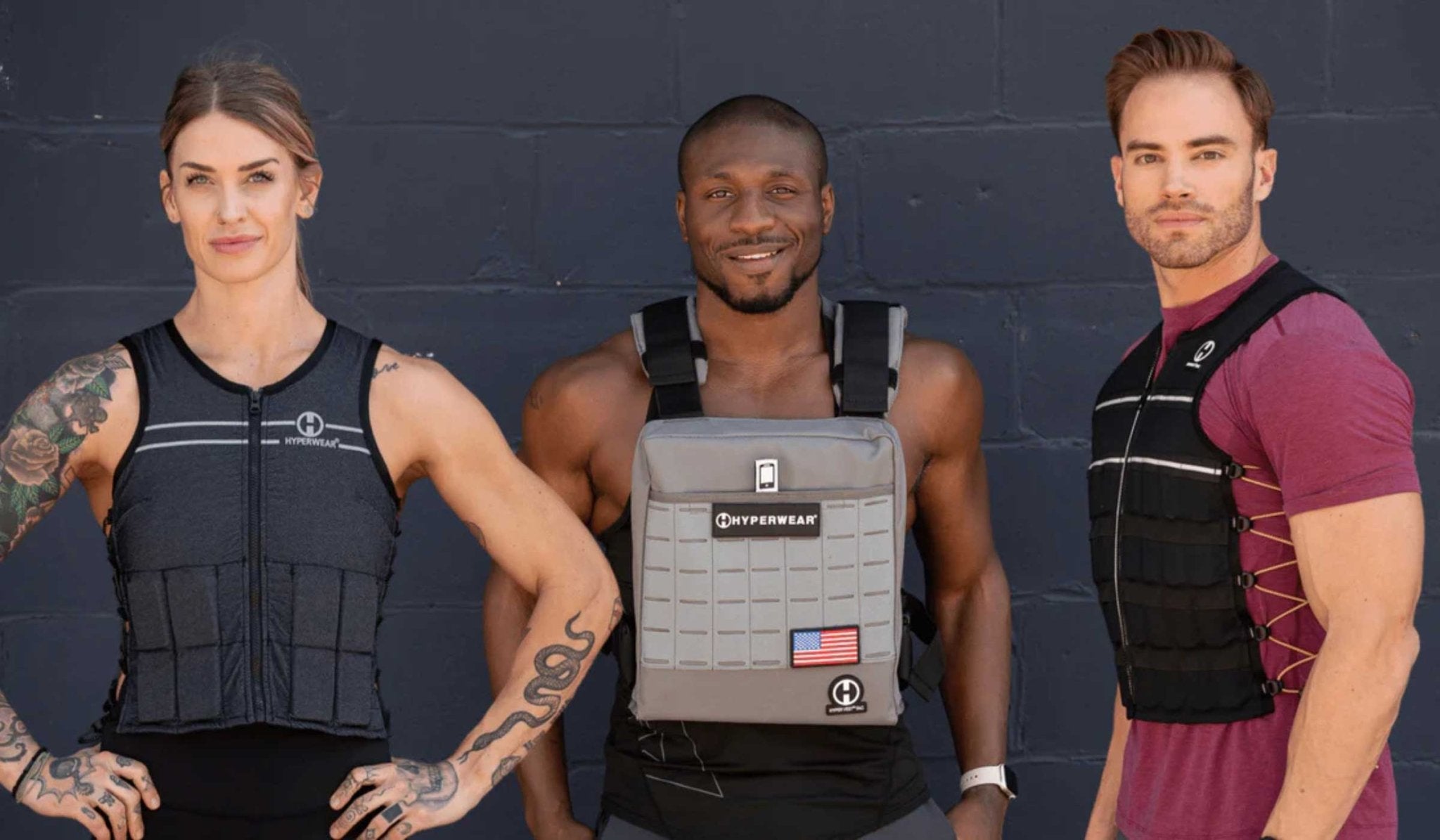
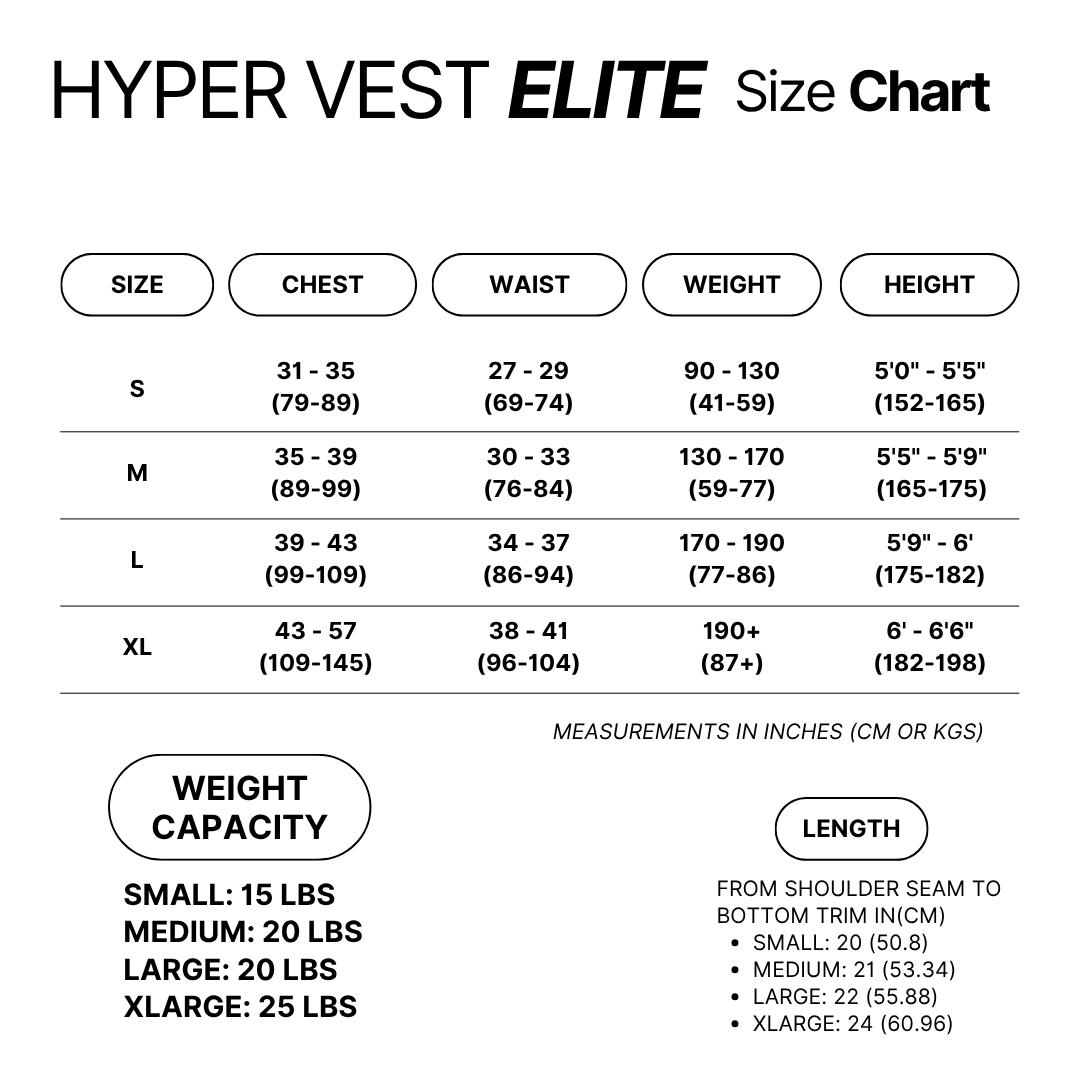
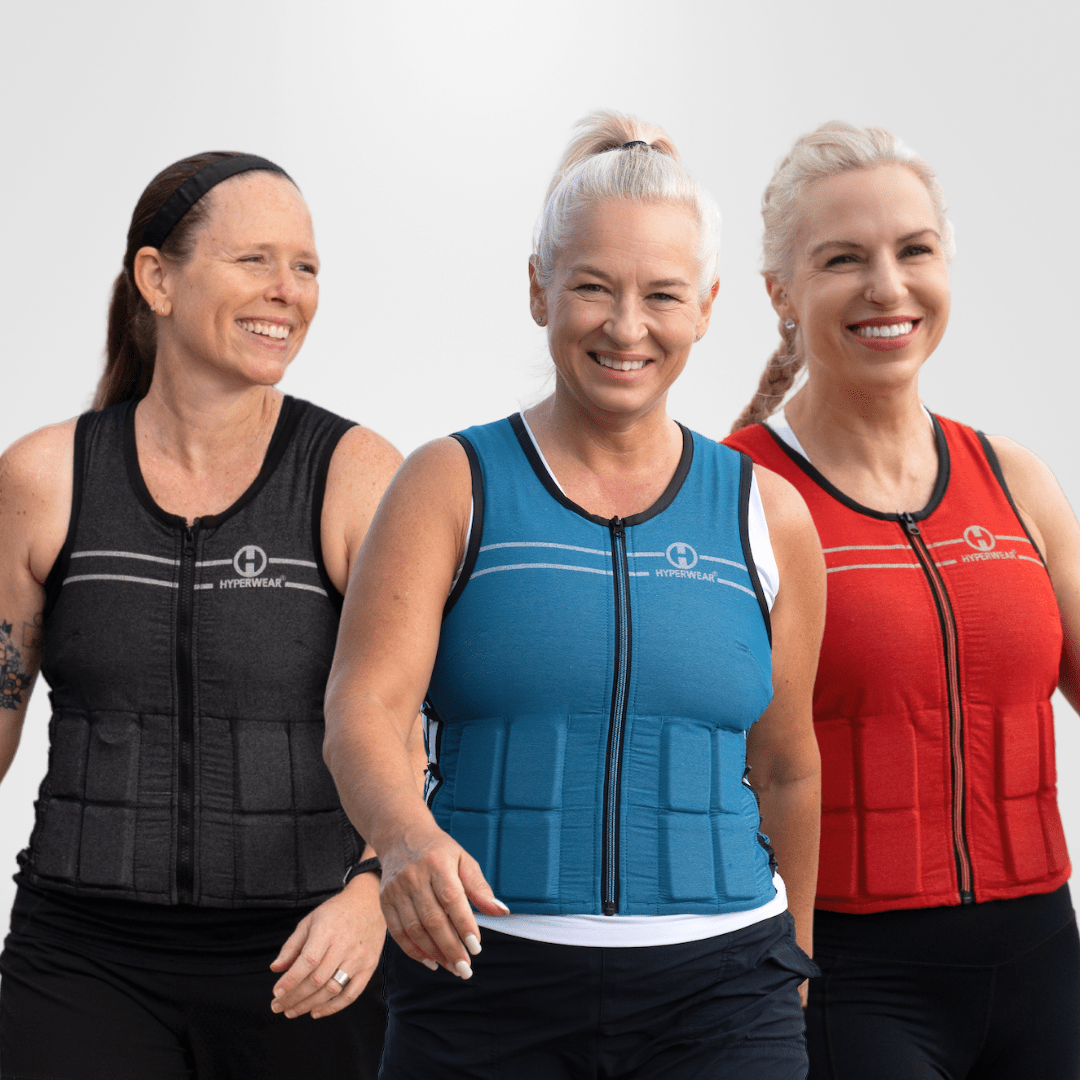
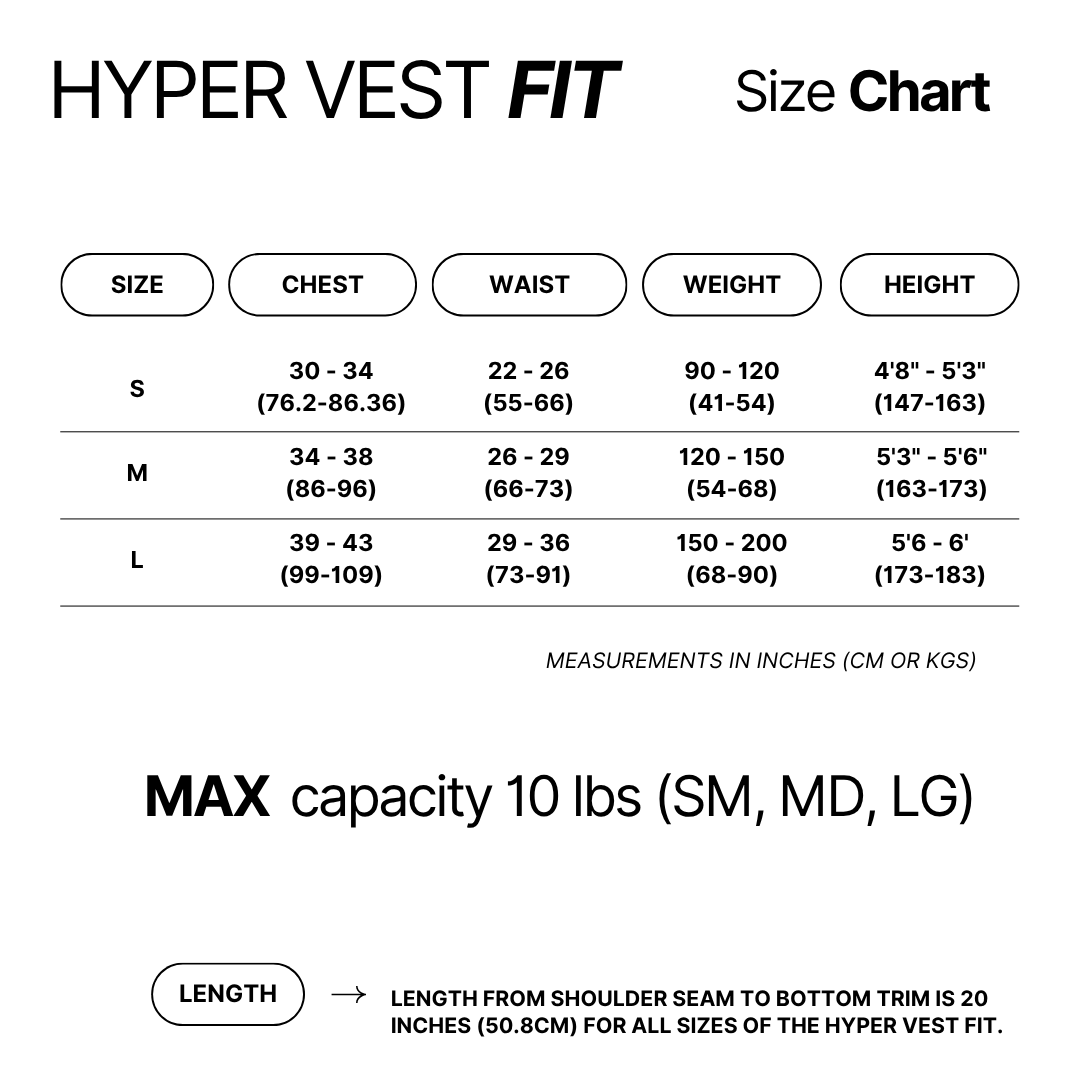
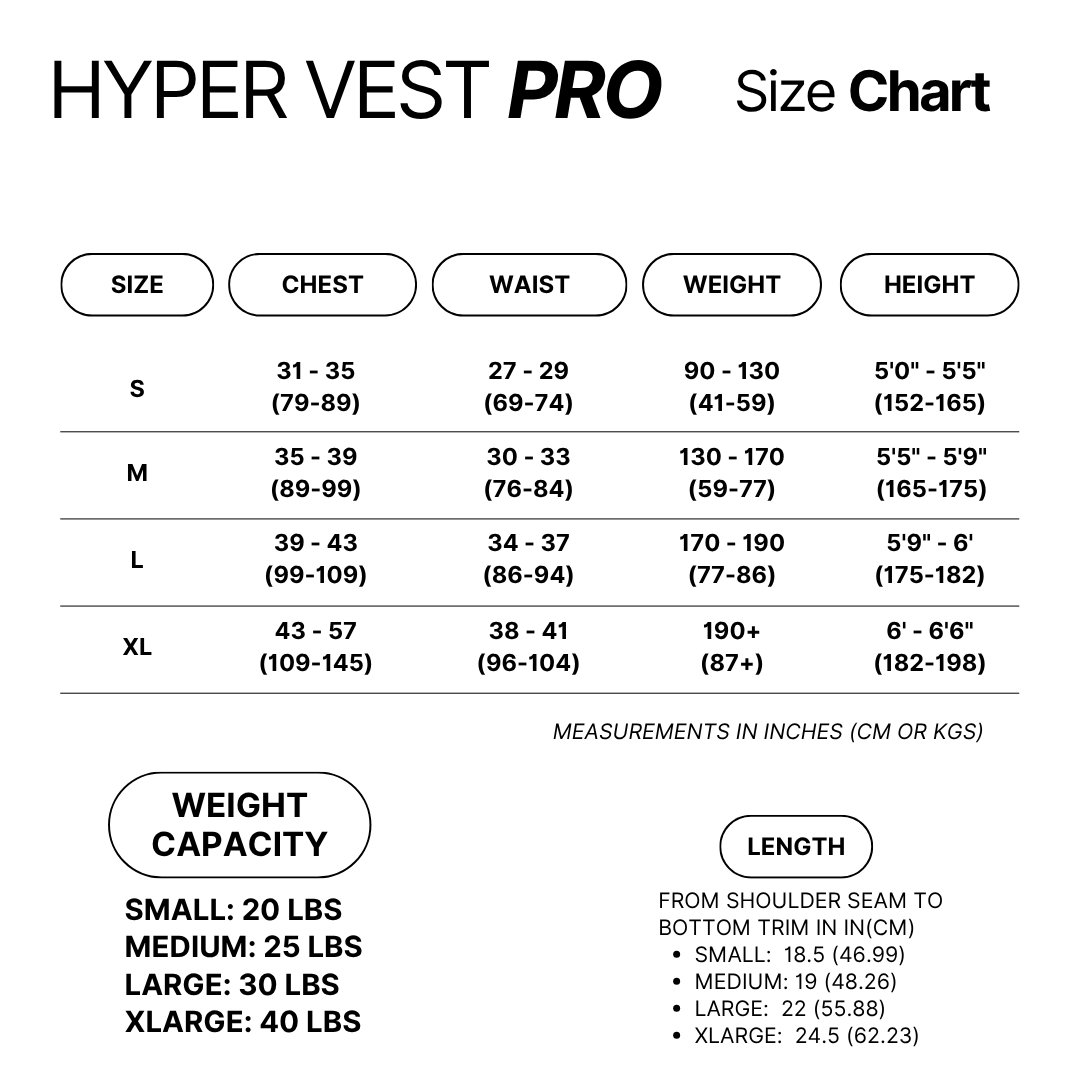
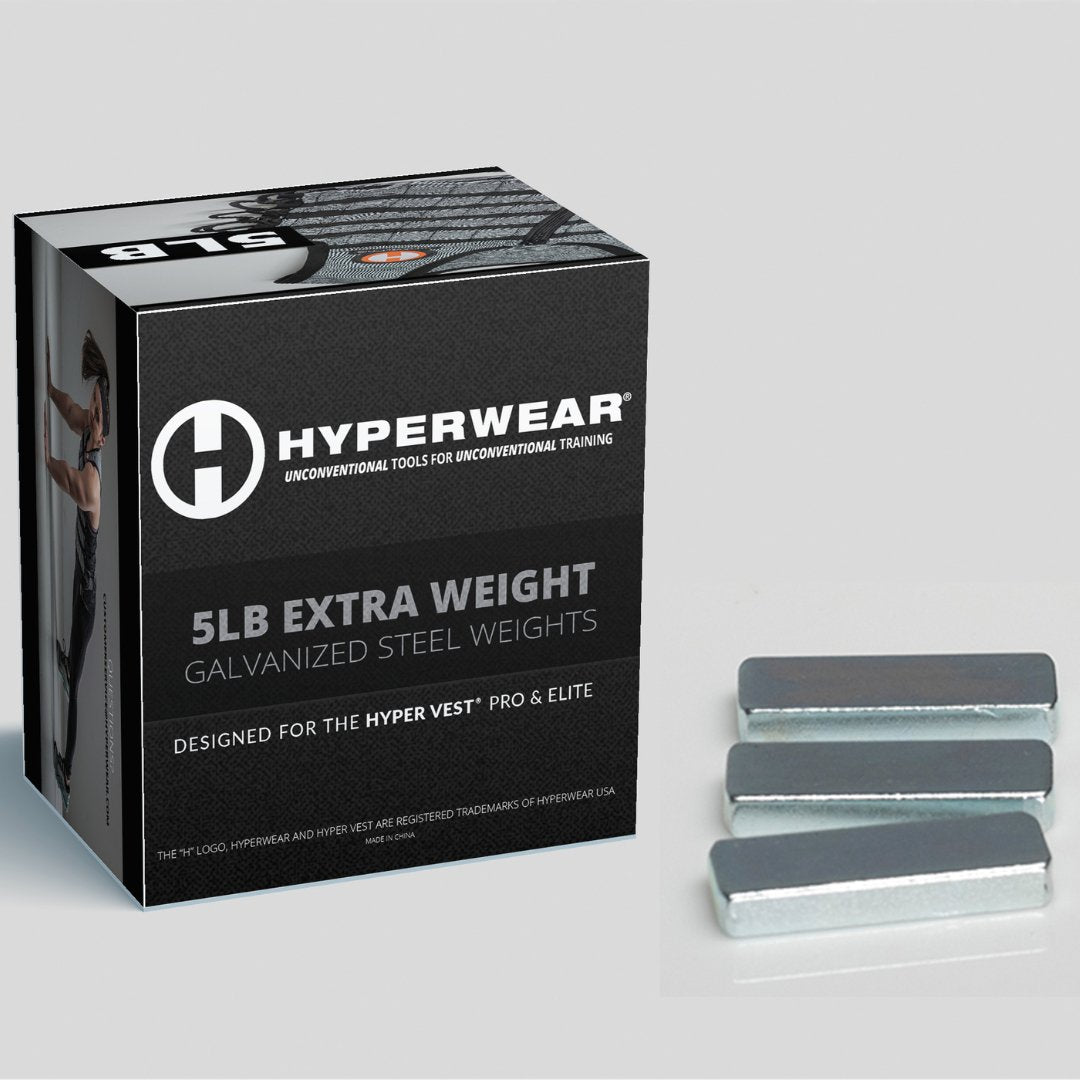
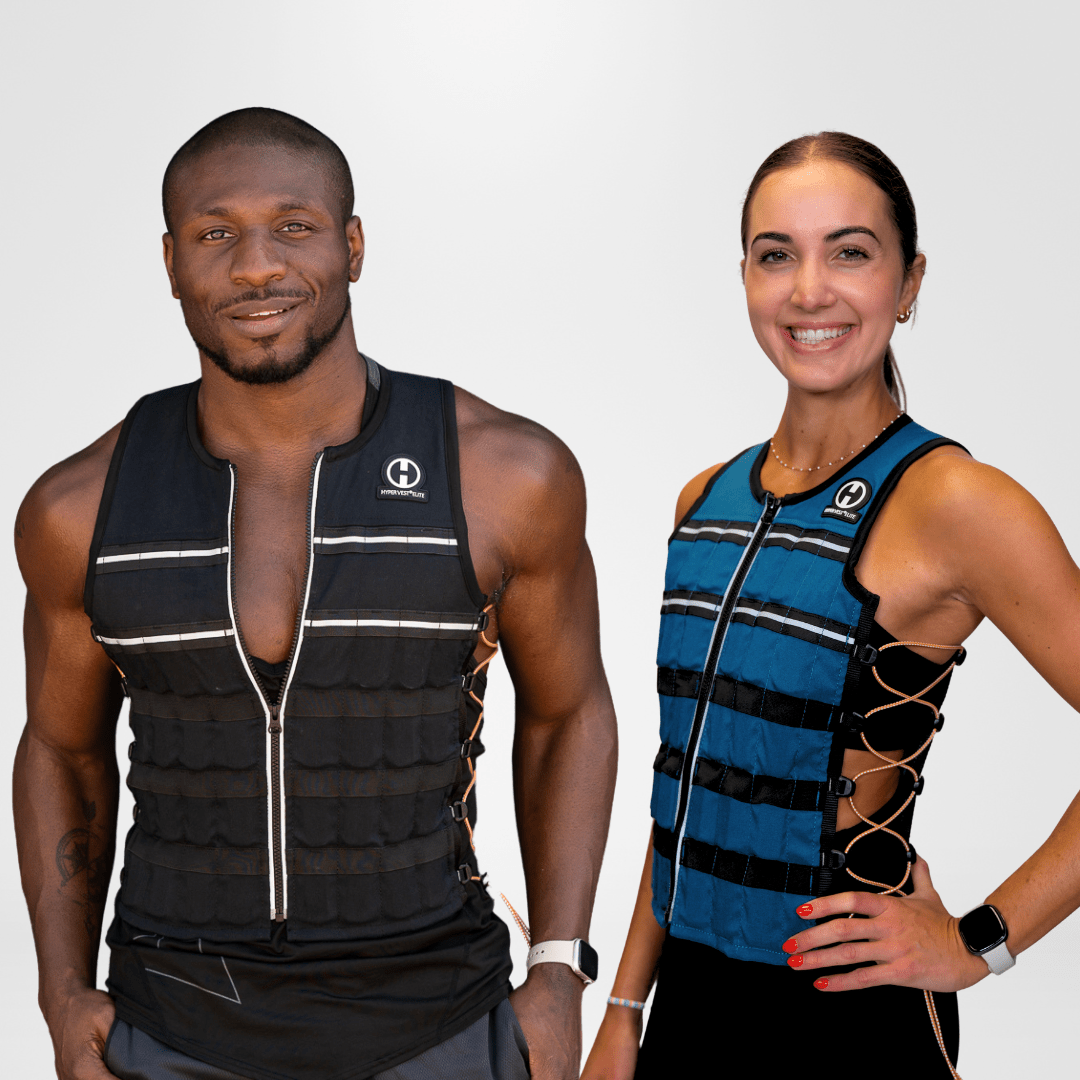
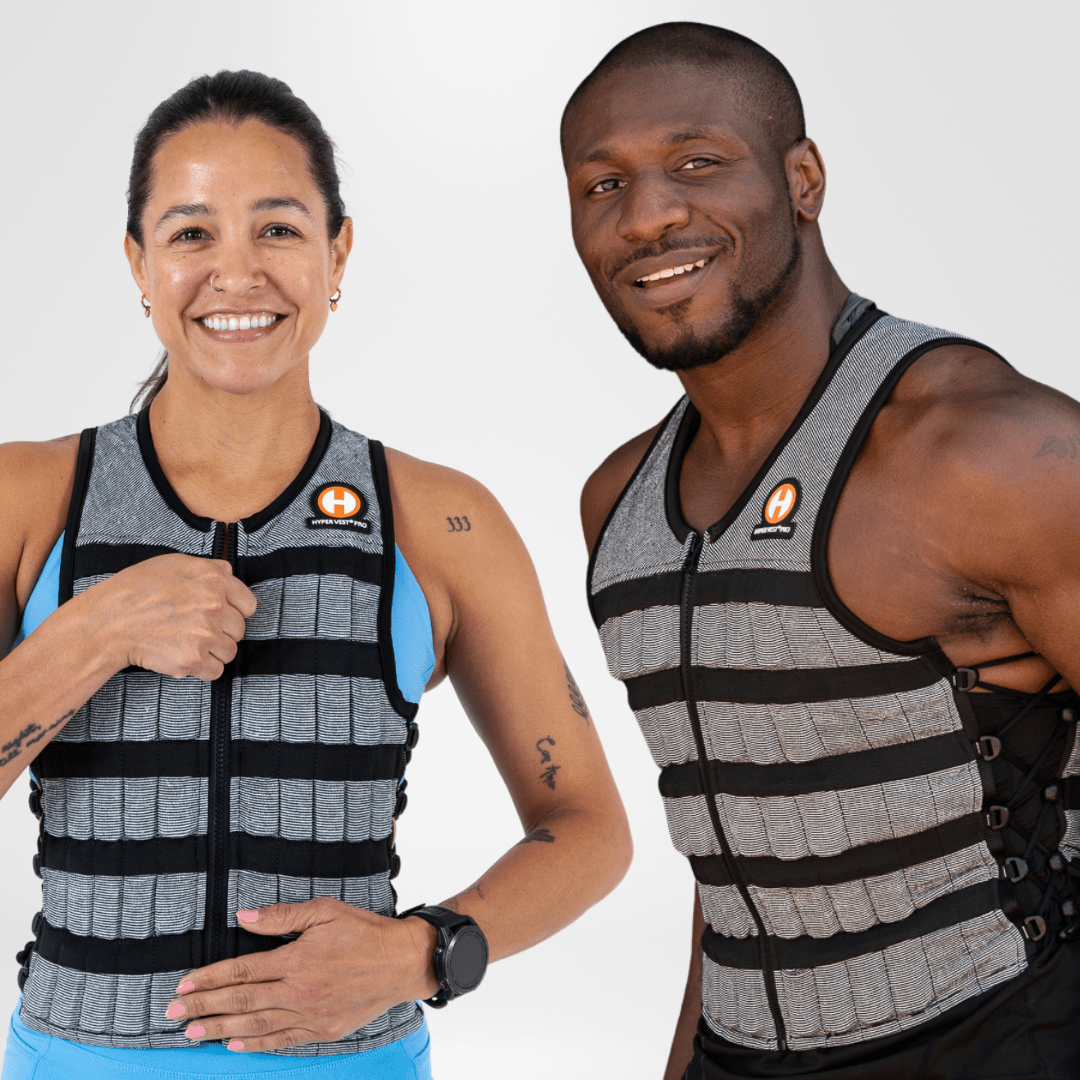
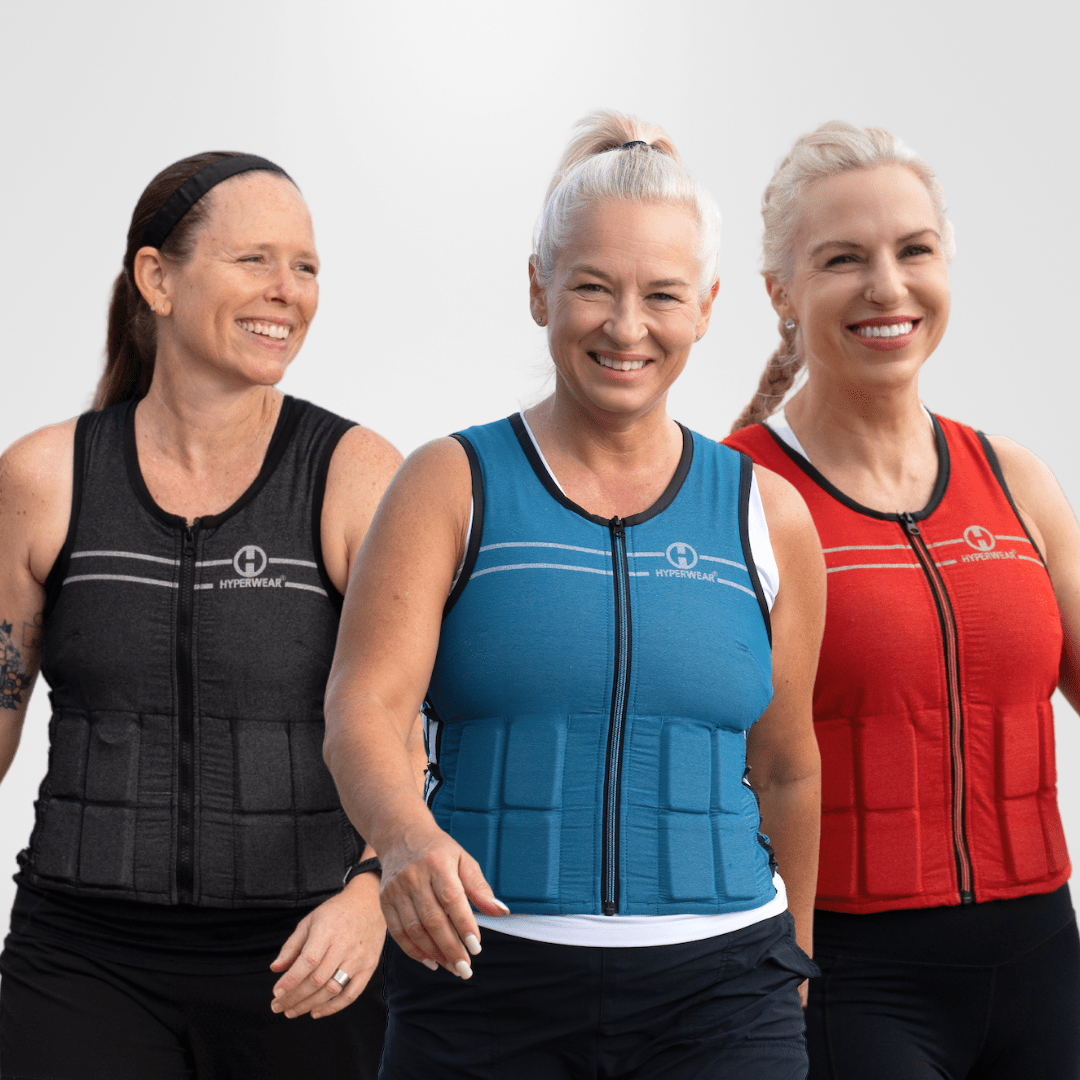
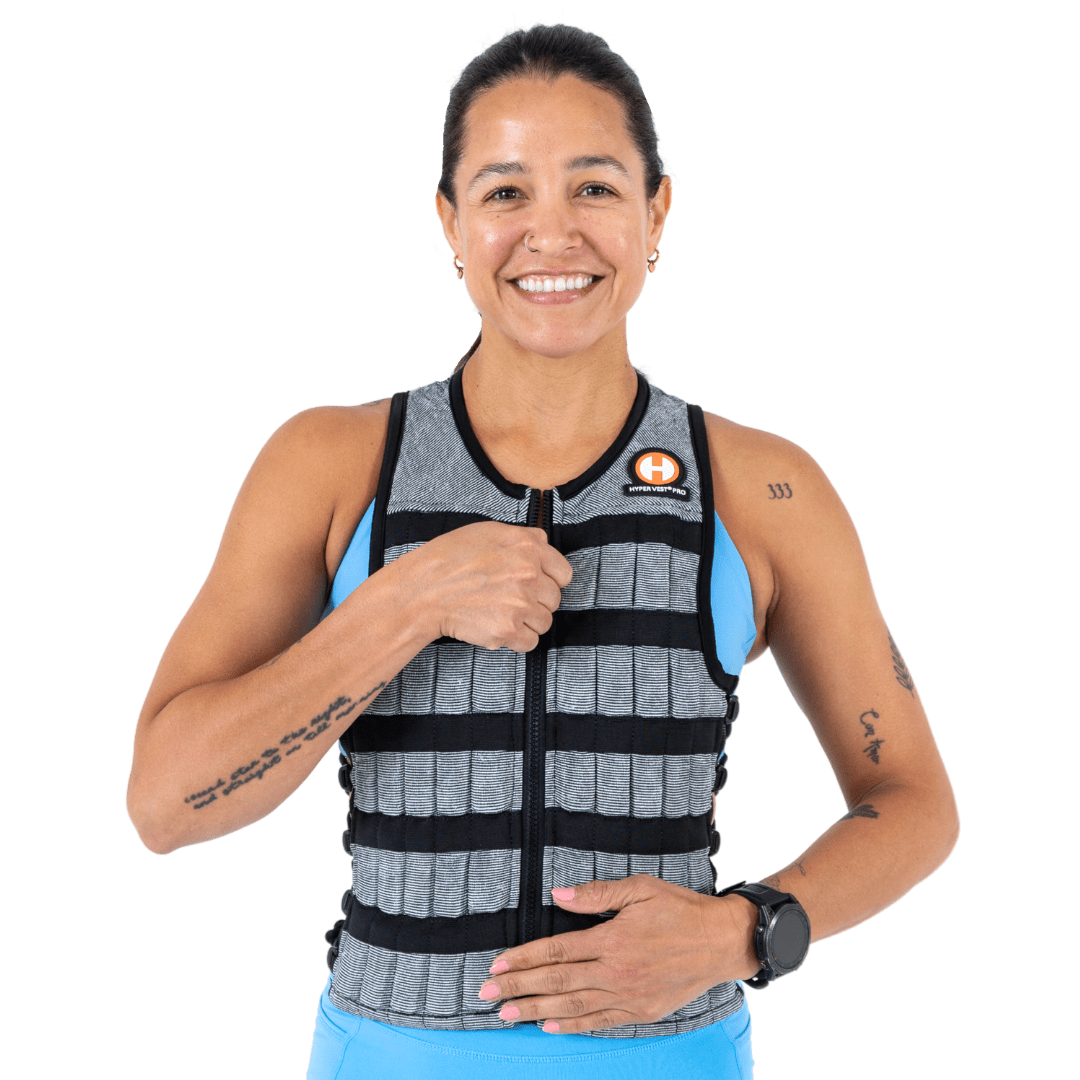
The Hyper Vest PRO offers a thin profile and adjustable loading, with the added distinction of being used in the research discussed above. The Hyper Vest ELITE offers another adjustable option with durable construction for regular training. The Hyper Vest FIT women's weight vest offers an affordable entry point vest that is adjustable with 1/2 lb weights up to 10 lbs.
Adjustability lets you use a lighter load for longer walks and a different load for strength exercises.
Add It to Familiar Activities
Begin with a short walk on level ground. Once that feels comfortable, gradually extend your walking time or introduce gentle inclines.
You can also incorporate the vest into controlled bodyweight exercises. Progress one variable at a time—load, duration, or terrain—so you can judge how your body responds.
Maintain Your Posture and Form
Walk tall with relaxed shoulders and your usual stride. During strength exercises, use a range of motion you can control.
If the vest causes you to lean forward, shuffle, or struggle with balance, reduce the load.
Pay Attention to Discomfort
Extra resistance should feel like a manageable challenge. Stop if you experience pain, dizziness, or unusual shortness of breath.
If you have a condition that affects your joints, spine, balance, heart, or lungs, get guidance from your clinician before adding load. The prolonged daily-wear schedules used in research are not starting instructions for every beginner.
Build a Consistent Routine
Choose a schedule you can repeat and progress gradually. Combine weighted movement with strength training, adequate recovery, and nutrition that supports your weight-management goals.
To plan your walking sessions, use Hyperwear’s weighted vest and rucking calorie calculator. Treat its results as estimates; actual expenditure varies with your pace, terrain, load, and individual physiology.
Why Vest Weight and Design Matter for Results
A weighted vest can support weight loss by increasing the demands of exercise, and research supports additional fat reduction when a vest is added to training.
The right load depends on your body, activity, and experience. Lighter loading can provide a useful challenge, while adjustable resistance gives you room to progress as you become stronger.
Choose a vest that fits securely, distributes weight comfortably, and lets you fine-tune the resistance. Then use it consistently during activities you enjoy.
Explore Hyperwear’s adjustable weighted vests to find the fit and loading options that match your routine.
GET STRONG FOR LIFE®
👉 Track your calorie burn with our rucking and weighted vest exercise calorie calculator →